The Complete Steel Structure Procurement Checklist for International Buyers
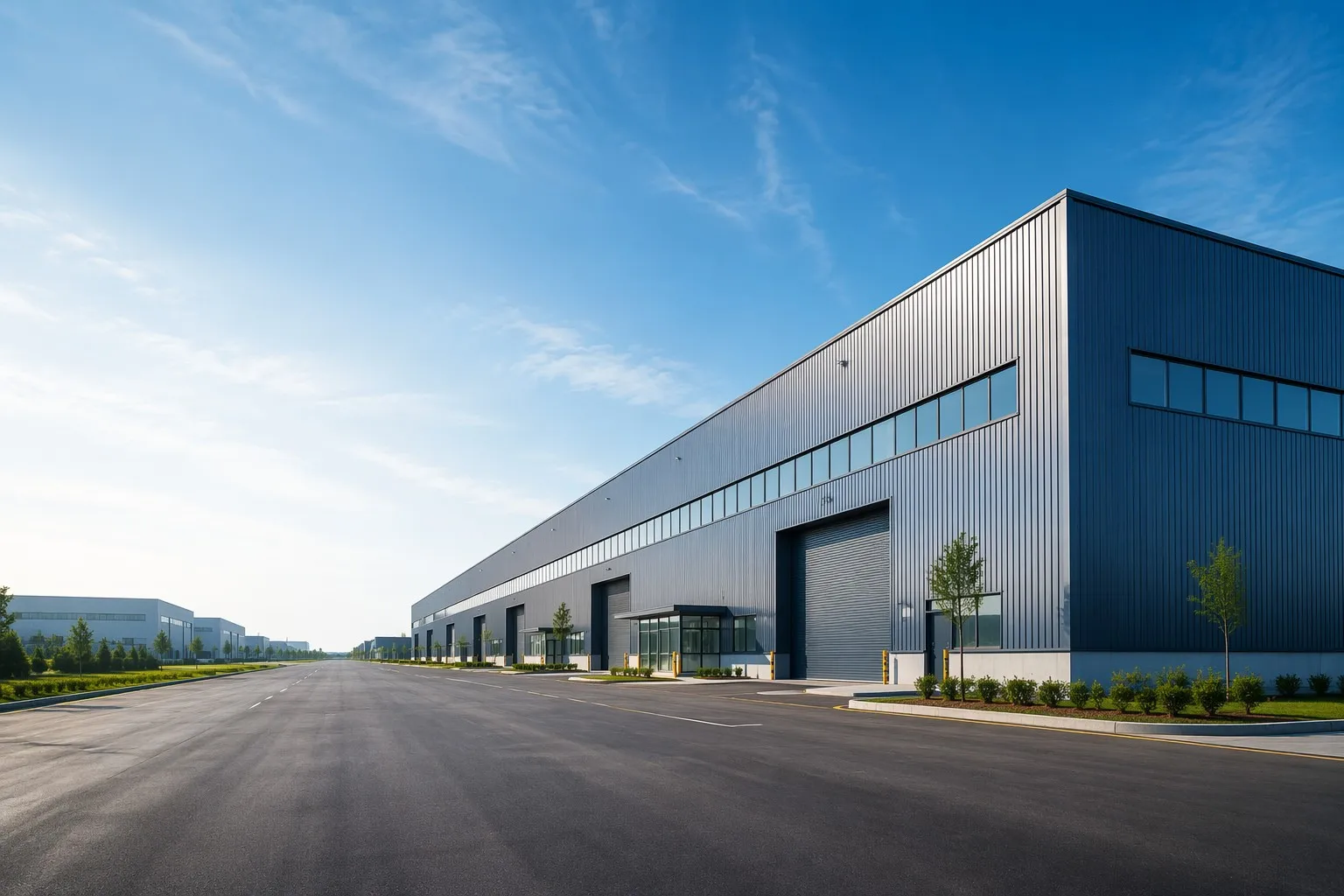
Buying a steel structure building from overseas is a significant investment, and the process involves far more than comparing prices. From the very first inquiry to the final delivery and installation, dozens of decisions can affect cost, quality, and delivery time. This step-by-step procurement checklist guides international buyers through every phase of the purchase, so you can avoid costly mistakes and secure a building that meets your exact requirements.
Phase 1: Defining Your Requirements
Before contacting any supplier, write down precisely what you need. A clear requirement brief saves weeks of back-and-forth and produces far more accurate quotations.
- Dimensions: Length, width, and eave height of the building, plus the number of bays.
- Loads: Local wind speed, snow load, and seismic zone for your site location.
- Application: Warehouse, workshop, cold storage, or other use — this drives cladding, insulation, and ventilation choices.
- Accessories: Number and size of doors, windows, skylights, and loading docks.
- Crane requirements: Crane capacity, span, and lift height, if any.
- Budget: Set a realistic total budget, including shipping, foundation, and installation, not just the material cost.
Phase 2: Shortlisting and Verifying Suppliers
Not all steel structure manufacturers are equal. A shortlist of two to four factories gives you negotiating power and a benchmark for quality.
- Certifications: Check for ISO 9001 quality management and, where relevant, CE, SGS, or other international certifications.
- Factory audit: Ask for a live video walkthrough of the production line. A genuine manufacturer can show you its equipment and workshop on the spot.
- References: Request project references and contact past customers in your region or with a similar building type.
- Export experience: Confirm the factory has experience with export packaging, shipping documentation, and your target market's requirements.
Pingchuang Steel Structure is an ISO-certified manufacturer with 20 years of experience and projects delivered to more than 50 countries — references are available on request.
Phase 3: Requesting and Comparing Quotations
A professional quotation should be detailed enough that you can compare suppliers on an apples-to-apples basis. A complete quote must include:
- Scope of supply: Primary steel frame, secondary structure (purlins and girts), cladding, bolts, and trims itemized separately.
- Material specifications: Steel grade (Q235B or Q355B), cladding type (single skin or sandwich panel), and coating specifications.
- Design and drawings: Whether structural design, Tekla modeling, and shop drawings are included in the price.
- Delivery terms: FOB, CIF, or DDP, and which port of loading applies.
- Lead time: Production time and estimated shipping duration.
- Payment terms: Deposit percentage and balance milestones.
- Exclusions: Anything NOT included, such as foundations, installation, or local permits, should be clearly stated.
When comparing quotes, look beyond the bottom line. A slightly higher price from a factory that includes full structural design and quality inspection often saves money overall.
Phase 4: Design and Drawing Approval
Once you select a supplier, the design phase begins. This is your opportunity to review every detail before production starts.
- Structural calculations: The supplier should perform calculations for wind, snow, and seismic loads based on your site data.
- 3D modeling: Tekla or similar software produces a detailed 3D model and accurate shop drawings, including every bolt and connection.
- Local codes: Confirm the design complies with your country's building codes or internationally accepted standards such as AISC or Eurocode.
- Approval: Review and sign the final design and shop drawings. Any change after approval can delay production and add cost.
Phase 5: Contract and Payment Terms
Put everything in writing. A clear contract protects both buyer and supplier.
- T/T (Telegraphic Transfer): The most common terms are 30% deposit to start production and 70% balance before shipment or against the Bill of Lading.
- L/C (Letter of Credit): Suitable for larger orders, L/C at sight gives both parties bank-level security.
- Milestones: Agree on production milestones, inspection points, and the shipment date, with penalties for unreasonable delays.
- Warranty: Confirm the warranty period and what it covers, typically 10-15 years for the steel frame and 5-10 years for cladding.
Phase 6: Production and Quality Inspection
Do not wait until the goods arrive to discover a problem. Monitor production actively.
- Progress photos and videos: Ask the factory for regular photo and video updates at each production stage.
- Third-party inspection: Hire an independent inspection company such as SGS or Bureau Veritas to check steel thickness, weld quality, and dimensions before shipment.
- Pre-shipment inspection: Inspect the finished goods at the factory or at the port before loading, including packaging and marking.
- Mill certificates: Request material test certificates for the steel used in your order.
Phase 7: Shipping and Customs
A steel building is usually shipped as flat-packed or knocked-down components in standard 40ft containers, which keeps freight costs low.
- Documents: Commercial invoice, packing list, Bill of Lading, Certificate of Origin, and insurance certificate.
- Insurance: Insure the cargo for its full value against damage during transit, especially for ocean freight.
- Delivery terms: Understand the responsibilities under your chosen Incoterm — FOB, CIF, or DDP — for freight, insurance, customs clearance, and inland delivery.
- Customs: Prepare your country's import documentation in advance and confirm duties and taxes for prefabricated steel buildings.
- Loading plan: A numbered packing list with a container loading plan makes clearing customs and finding components on site much faster.
Phase 8: Installation and After-Sales Support
Most buyers install the building with local crews using the supplier's drawings and guidance.
- Installation drawings: A complete erection manual with step-by-step assembly instructions is essential for a smooth build.
- Online support: Confirm the supplier offers remote technical support via video call during installation.
- Optional supervision: For complex buildings, consider sending a factory engineer to supervise the first erection on site.
- Spare parts: Order a small set of spare bolts and accessories with the main shipment to avoid downtime.
Downloadable Checklist Summary
Use this condensed checklist when you start your procurement. Tick each item as you complete it:
- Requirements brief with dimensions, loads, application, and budget.
- 2-4 verified suppliers with certifications, audits, and references.
- Detailed, comparable quotations with full scope of supply.
- Design and shop drawings approved, structural calculations confirmed.
- Signed contract with clear payment terms, milestones, and warranty.
- Production monitoring with progress photos and third-party inspection.
- Shipping documents prepared and cargo insured.
- Installation plan with drawings, support, and spare parts ready.
Ready to start your project?
Send us your requirements and receive a professional design and a free quotation within 24 hours.
Get a Free Quote Now